
Diabetes prevention call
Monday June 11th, 2012
Aggressive treatment of people on the path to developing diabetes can prevent it happening, researchers have warned.
 The
findings, from a US study, came on the eve of Diabetes Week in the UK.
The
findings, from a US study, came on the eve of Diabetes Week in the UK.
Doctors have increasingly been seeking to treat people with raised blood sugar levels, a condition called pre-diabetes.
This includes encouraging healthier lifestyles and using anti-diabetes drugs.
The new study suggests this treatment may prevent diabetes - if its returns the blood glucose levels to normal.
The study, reported in the Lancet, found that 56 per cent of those with normal glucose levels after treatment did not develop full-blown diabetes over a period of five years.
The findings come from analysis of a diabetes prevention programme involving some 3,000 people aimed at finding the best way to treat pre-diabetes.
Dr Leigh Perreault of the University of Colorado, USA: "Results from the present analysis would contend that the strategy is unimportant as long as the intervention is early (when someone has prediabetes) and can restore normal glucose regulation, even if transiently.
"This analysis draws attention to the significant long-term reduction in diabetes risk when someone with prediabetes returns to normal glucose regulation, supporting a shift in the standard of care to early and aggressive glucose-lowering treatment in patients at highest risk".
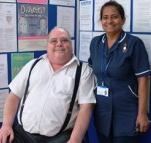
Meanwhile UK patient Peter Curtis, aged 61, urged people to get tested for potential diabetes as Diabetes Week was launched.
Mr Curtis, from Isleworth, London, said: "It’s so important because it’s a disease which can be life threatening if you fall into a diabetic coma because your insulin levels have dropped too low.”
And his specialist diabetes nurse Parminder Nirhal, of West Middlesex University Hospital, added: “It’s important to get checked out by your GP if you have a family history of diabetes or you have symptoms of frequent urination, particularly at night, thirst , fatigue and lethargy, weight loss, blurred vision, pain and numbness and tingling in feet, hand or legs.”
* Meanwhile in Sheffield researchers are setting out to investigate the painful side-effects linked to diabetes.
Some £310,000 has been awarded to Sheffield University by the European Foundation for the Study of Diabetes.
About 20 per cent of the UK's three million people with diabetes suffer from painful nerve damage.
The researchers have discovered the disease causes blood to flow into the thalamus part of the brain when patients suffer from pain, known as neuropathy. But they do not know whether this causes the pain - or is caused by it.
Researcher Professor Solomon Tesfaye said: "Painful diabetic neuropathy is a debilitating condition, often severely limiting a person’s quality of life. Around 50 per cent of people with the condition suffer from anxiety or depression, and it is commonly associated with loss of sleep and unemployment.
"It’s therefore vital that we do everything we can to try to find the precise cause of the pain and to try to develop therapies against it.
“The study could potentially lead to us developing new treatments that specifically target this area of the brain, which of course would be an exciting development for patients and clinicians alike.”
Tags: Diabetes | Diet & Food | North America | Pain Relief | UK News
 Printer friendly page