
Public facemasks may help vulnerable
Tuesday April 7th, 2020
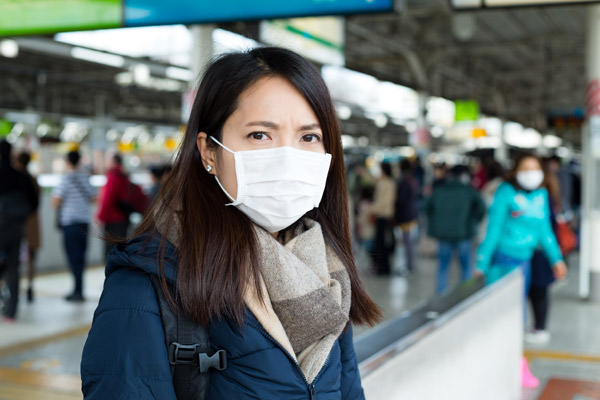
Research on wearing of face-masks in public tends to supports its benefits, according to an analysis from the University of East Anglia, UK.
 The
findings fly in the face of official advice in the UK and the most common
interpretations of World Health Organisation advice. In the USA the public
has been advised to use them – but President Donald Trump has declined
to do so.
The
findings fly in the face of official advice in the UK and the most common
interpretations of World Health Organisation advice. In the USA the public
has been advised to use them – but President Donald Trump has declined
to do so.
Researchers found 31 studies of the use of masks during viral outbreaks, concluding that masks were "more often than not" protective, especially in shared public spaces.
Prof Paul Hunter from UEA’s Norwich Medical School, said: “There has been a lot of debate about whether wearing a face-mask could help protect people from Covid-19 and reduce the spread of the disease.
“We wanted to evaluate all the available evidence to see what the best-advice for people is.
“We studied when respiratory symptoms appeared that were similar to Covid-19 - fever and cough or sore throat. But it’s important to remember that we have not been able to look specifically at COVID-19 because there have been no specific studies to date.”
Fellow researcher Dr Julii Brainard said: “We found that using a face mask and other face coverings had a consistent but small protective effect against influenza-type symptoms while people are out-and-about in the community.
“People who wore masks, usually surgical grade, were less likely to get respiratory symptoms from casual exposure in the community. Something like a sneeze or cough near you would become less likely to cause infection. It’s a small reduction in risk but might be very important to especially vulnerable people.
“Wearing masks at home also seemed to reduce the odds of well housemates become ill. The risk reduction was greatest, a 19% reduction, if both an ill person and their well contacts wore masks."
Dr Brainard added: “Overall, we found that the evidence was too uncertain to support the widespread use of facemasks as a protective measure against COVID-19. However there is enough evidence to endorse the use of facemasks for short periods of time by vulnerable individuals when in transient higher risk situations – such as on public transport or visiting shops."
Facemasks and similar barriers to prevent respiratory illness such as COVID-19: A rapid systematic review. MedRvix 6 April 2020
https://doi.org/10.1101/2020.04.01.20049528
Tags: Flu & Viruses | General Health | UK News | World Health
 Printer
friendly page
Printer
friendly page