
A new generation of e-cigarettes that use raw tobacco are as toxic as traditional cigarettes, researchers say today.
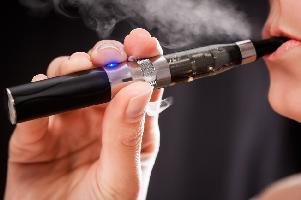 The new "heat not burn" devices heat tobacco to release vapours rather than using the liquids that fuel vaping devices.
But laboratory studies, conducted in Australia, suggest that heated tobacco is "highly toxic" to cells even at low concentrations. This is similar to cigarette smoke, the researchers report in the European Respiratory Journal’s Open Research publication.
The laboratory tests involved epithelial cells and smooth muscle cells taken from the lungs. The researchers found that e-cigarette vapour was toxic at high concentrations, such as might be inhaled by chronic smokers.
Researcher Dr Pawan Sharma, of the Woolcock Institute of Medical Research, Sydney, Australia, said: “We observed different levels of cellular toxicity with all forms of exposures in human lung cells. What came out clearly was that the newer products were in no way less toxic to cells than conventional cigarettes or e-cigarette vaping.”
“Our results suggest that all three are toxic to the cells of our lungs and that these new heated tobacco devices are as harmful as smoking traditional cigarettes."
Dr Sharma added: “It took us nearly five decades to understand the damaging effects of cigarette smoke and we don’t yet know the long-term impact of using e-cigarettes. These devices that heat solid tobacco are relatively new and it will be decades before we will fully understand their effects on human health.
“What we do know is that damage to these two types of lung cells can destroy lung tissue leading to fatal diseases such as chronic obstructive pulmonary disease, lung cancer and pneumonia, and can increase the risk of developing asthma, so we should not assume that these devices are a safer option.”
The European Respiratory Society said the findings added to existing concerns about the new devices.
Professor Charlotta Pisigner, chair of its tobacco control committee, said: “The introduction and vigorous marketing of new devices is very tempting to smokers who want to stop smoking and mistakenly believe they can switch to another harmless tobacco product. It is also opening another avenue for attracting young people to use and become addicted to nicotine. This study adds to evidence that these new devices are not the safe substitute to cigarette smoking they are promoted to be.”
* A second report today raises concerns about smokers being too reliant on vaping.
Scottish researchers warn that vaping delivers "ultrafine particles" that can contribute to cardiovascular damage.
Writing in the Journal of the Royal College of Physicians of Edinburgh, the researchers warn against long-term vaping.
Abhi Mathur, from Aberdeen Royal Infirmary, said: "Fewer people are smoking conventional tobacco cigarettes and more people are vaping. Smokers are asking healthcare professionals whether e-cigarettes are safe and effective for smoking cessation. Debate continues regarding safety of e-cigarettes, but NHS Scotland and England have concluded that vaping e-cigarettes are less harmful than smoking tobacco."
Sohal SS, Eapen MS, Naidu VGM et al. IQOS exposure impairs human airway cell homeostasis: direct comparison with traditional cigarette and e-cigarette. ERJ Open Res 11 February 2019
Leave a Reply