
Leading UK medical researchers have been gaining honours throughout Europe following this week’s Nobel Prize award.
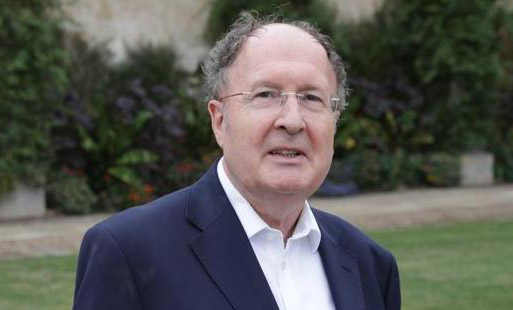 The Nobel Prize for Medicine went to a US and Japanese researcher – but yesterday the prize for chemistry went to a British cancer research, Professor Sir Greg Winter, master of Trinity College at Cambridge University.
He was honoured for the development of phage display, which produces antibodies to treat toxins, autoimmune disease and metastatic cancer.
Professor Winter said: "It came as a bit of a shock, and I felt a bit numb for a while. It’s almost like you’re in a different universe," said Winter, on hearing he had been jointly awarded the Prize.
"For a scientist, a Nobel Prize is the highest accolade you can get, and I’m so lucky because there are so many brilliant scientists and not enough Nobel Prizes to go around."
Medical Research Council executive chair Professor Fiona Watt said: “The pioneering breakthrough work by Sir Greg and his colleagues at the MRC Laboratory of Molecular Biology to develop humanised, and human, therapeutic antibodies has initiated a pharmaceutical revolution and led to the establishment of a whole new class of drugs which have helped millions of patients worldwide.
“Today, monoclonal antibodies account for a third of all new treatments, such as the arthritis drugs adalimumab and Humira, the multiple sclerosis drug Lemtrada and the breast cancer drug Herceptin.”
Meanwhile teams from Queen’s University, Belfast, and Leeds University have been awarded the 2018 European Health Award at the annual European Health Forum Gastein in Germany.
The teams are involved in a project called the European Cancer Concord, which aims to empower cancer patients and has developed a “Bill of Rights” for patients. The Concord’s work has led to it setting a target for Europe to achieve 70% long-term survival for all cancer patients by 2035.
Its vice-president Professor Mark Lawler, of Queen’s University, said: “Cancer knows no borders, so it is important that we work together to develop solutions that address cancer inequalities in all parts of Europe.
“I am immensely proud to be accepting this award, not only on behalf of our team who have worked together over the last five years on this initiative – but also on behalf of the millions of European citizens who are living with and beyond cancer and experiencing cancer inequalities every single day of their lives.”
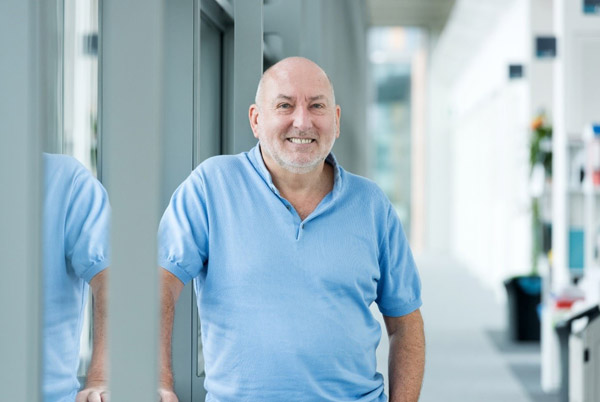 * Professor Stephen West, of the Frances Crick Research Institute, London, has been given a lifetime achievement award for his work on DNA repair, Cancer Research UK announced.
Professor West said: “For the past 30 years, it has become increasingly clear that many cancers stem from defects in DNA repair mechanisms, so a better understanding of the fundamental biology is vital for working out new ways to tackle the disease. We are delighted that our work has contributed to the challenge to cure cancers.”
Professor West is to be presented with the award at the National Cancer Research Institute conference in Glasgow next month.
Leave a Reply