
People who thrive at night have a 10% higher risk of dying prematurely than those flourish in the mornings, according to a new analysis.
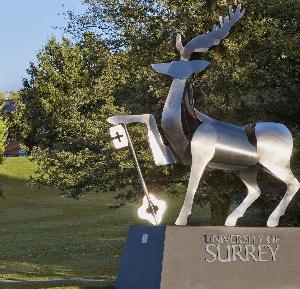 Research at the University of Surrey, England, and Northwestern Medicine, Chicago, USA, believe the increased risk means that of the half a million people enrolled in the UK Biobank study, 50,000 people were more likely to die in a sample period of six and a half years.
It also found that so-called ‘owls’ had higher rates of diabetes, psychological disorders and neurological disorders.
It is the first study of its kind to look at mortality risk and co-lead author Dr Kristen Knutson, associate professor of neurology at Northwestern University Feinberg School of Medicine, warned “night owls trying to live in a morning lark world may have health consequences for their bodies.”
Malcolm von Schantz, professor of chronobiology at the University of Surrey, said the study, which is published in Chronobiology International, revealed a public health issue that can no longer be ignored.
“We should discuss allowing evening types to start and finish work later, where practical. And we need more research about how we can help evening types cope with the higher effort of keeping their body clock in synchrony with sun time,” he said.
In this study, researchers examined the link between an individual’s natural inclination toward mornings or evenings and their risk of mortality.
They asked 433,268 participants, age 38 to 73 years, if they are a “definite morning type” a “moderate morning type” a “moderate evening type” or a “definite evening type.” Deaths in the sample were tracked up to six and half years later.
Dr Knutsen said shifting behaviours – such as being exposed to light early in the morning but not at night, keeping a regular bedtime, adopting healthy lifestyle behaviours and doing things earlier – will help.
“If we can recognise these chronotypes are, in part, genetically determined and not just a character flaw, jobs and work hours could have more flexibility for owls,” Knutson said. “They shouldn’t be forced to get up for an 8am shift. Make work shifts match people’s chronotypes. Some people may be better suited to night shifts.”
Knutson and colleagues want to test an intervention with owls to get them to shift their body clocks to adapt to an earlier schedule. “Then we’ll see if we get improvements in blood pressure and overall health,” she said.
Chronobiology International 12 April 2018
Leave a Reply