
Progress against TB in most countries is “stalling” and is not fast enough, the World Health Organisation has warned.
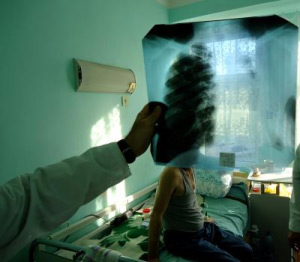 Investment in tackling the disease does not match “political rhetoric,” WHO leaders said as they released its latest annual Global TB Report.
The report warns that nearly half a million patients were diagnosed with multi-drug resistant disease last year. Almost half the cases were in India, China and Russia.
Overall some 10.4 million were diagnosed with the disease last year and some 1.7 million people died from the disease. Nearly 25% of these were also infected with HIV.
WHO says it is true that the mortality rate from the disease has fallen by 37% this century – and that some 53 million people have been saved by improved treatment and prevention.
It warns that about 40% of patients are never diagnosed and notified. About half of these are in India, Indonesia and Nigeria.
And only 20% of patients with multi-drug resistant disease began treatment.
Dr Mario Raviglione, director of WHO’s global TB programme, said: "The sheer numbers of deaths and suffering speak for themselves – we are not accelerating fast enough.
"Prompt action towards universal health coverage and social protection, as well as breakthroughs in research and innovations – will be critical to enable access to patient-centred care of the highest standards for all, especially the poorest, most disadvantaged people everywhere."
WHO director-general Dr Tedros Adhanom Ghebreyesus said: "While the world has committed to ending the TB epidemic by 2030, actions and investments don’t match the political rhetoric. We need a dynamic, global, multisectoral approach.”
He added: "The good news is that we finally have two great opportunities to move forward: the first WHO Global Ministerial Conference to End TB in Moscow in 2017, followed by the first UN General Assembly High-Level Meeting on TB in 2018.
“These will build momentum, get different sectors engaged, and accelerate our efforts to make TB history."
* WHO presented a more optimist assessment on progress against viral hepatitis in advance of the World Hepatitis Summit in Sao Paulo, Brazil.
It said three million people have been treated for hepatitis C over the past two years – while the number of people starting hepatitis B treatment last year increased by 2.8 million.
Leave a Reply