
A phase one trial has begun on humans to test a cholesterol-lowering vaccine, it was announced today.
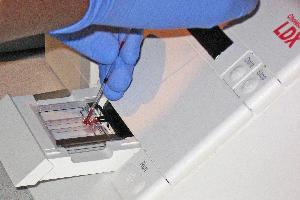 The trial has been launched after the success of research on genetically modified mice.
The AT04A vaccine is based on a molecule that stimulates the body to neutralise an enzyme called PCSK9, which prevents the clearance of low density lipoprotein.
The enzyme is already the target of new monoclonal antibody treatments, which are said to highly effective but short-lived in their effect.
In the mouse study, reported in the European Heart Journal, cholesterol levels reduced by 53% and atherosclerotic damage to blood vessels was reduced by 64%.
Researchers said concentrations of the induced antibodies – which neutralise the enzyme – remained high at the end of the research.
Researcher Dr Günther Staffler, chief technology officer of the company that produces the vaccine, said: “If these findings translate successfully into humans, this could mean that, as the induced antibodies persist for months after a vaccination, we could develop a long-lasting therapy that, after the first vaccination, just needs an annual booster.
"This would result in an effective and more convenient treatment for patients, as well as higher patient compliance.
"The difference between a conventional vaccine and our approach is that a vaccine induces antibodies that are specific to bacterial or viral proteins that are foreign to the body – pathogens – whereas AT04A induces antibodies against a target protein that is produced by the body – endogenous proteins.
"Thus it is really an immunotherapeutic approach rather than a vaccine approach.”
British Heart Foundation medical director Professor Sir Nilesh Samani said: "Although only tested in mice, this vaccine could lead to a simple way to target high cholesterol and ultimately reduce people’s risk of heart disease.
“More research is needed to show that the vaccine is an effective and safe treatment for patients."
Christine Landlinger et al. The AT04A vaccine against proprotein convertase subtilisin/kexin type 9 reduces total cholesterol, vascular inflammation, and atherosclerosis in APOE*3Leiden. CETP mice. European Heart Journal 20 June 2017; doi:10.1093/eurheartj/ehx260
Leave a Reply