
The so-called Arab Spring of 2010 has led to reduced life expectancy in most of the countries where uprisings took place, according to a study published today.
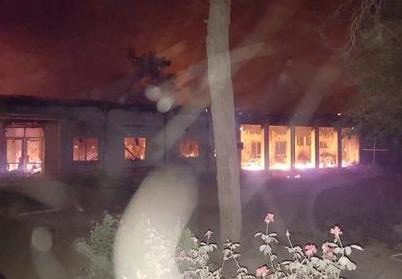 While Syria and Libya have suffered devastating civil wars, residents of countries such as Tunisia and Egypt have also lost several months in life expectancy, according to the report in The Lancet Global Health.
In Syria life expectancy has fallen by six years.
The experts say the decline in health in the region threatens gains achieved over the last two decades.
Researcher Professor Ali Mokdad said: “Life expectancy decline is traditionally regarded as a sign that the health and social systems are failing. The fact that this is happening in several countries indicates there is an immediate need to invest in health care systems.
“Recent conflicts have shattered the basic infrastructure in a number of countries. As a result, millions of people are facing dire water shortages and poor sanitation that will lead to disease outbreaks, which must be controlled.”
He added: “This region has historically seen improvements in life expectancy and other health indicators, even under times of stress. But the Arab uprising has evolved into complex wars that have killed hundreds of thousands of people and displaced millions.
“Along with population growth and ageing, these ongoing conflicts have dramatically increased the burden of chronic diseases and injuries and many health workers have fled for safer shores.
"These issues will result in deteriorating health conditions in many countries for many years and will put a strain on already scarce resources.”
Lancet Global Health 25 August 2016 [abstract]
Leave a Reply