
The artificial pancreas should be available for patients with diabetes within two years, according to experts.
 An analysis in the journal Diabetologia says trials of the devices already show it is better than existing technologies.
According to the experts from Cambridge University, UK, work is under way to improve the software in the "closed loop" system of the pancreas.
The second problem is that they may not be able to cope with vigorous exercise – as even fast-acting insulin analogues do not reach peak levels in the bloodstream for at least half an hour.
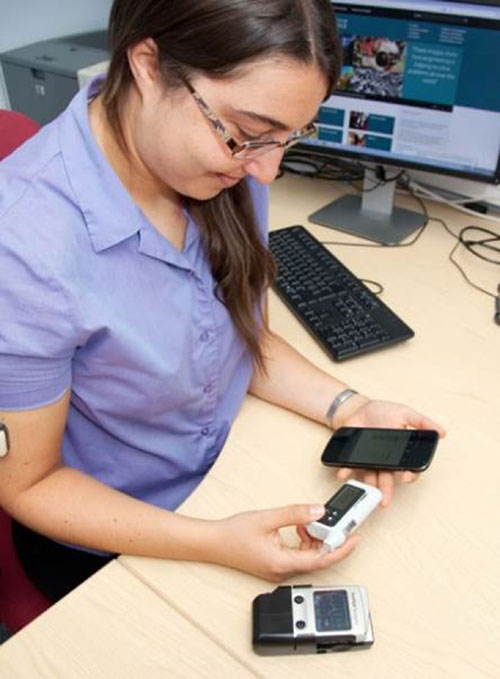
The artificial pancreas combines the insulin pump with glucose meters, using software to determine the release of insulin.
So far the devices have been tested in controlled conditions, such as diabetes "camps."
Authors Dr Roman Hovorka and Dr Hood Thabit write: "In trials to date, users have been positive about how use of an artificial pancreas gives them ‘time off’ or a ‘holiday’ from their diabetes management, since the system is managing their blood sugar effectively without the need for constant monitoring by the user."
They say that the devices need to be protected against cybersecurity threats.
There is also research to see if specific populations may benefit most from the devices. These might include the very young and pregnant women with type 1 disease.
They write: "Prolonged six to 24 month multi-national closed-loop clinical trials and pivotal studies are underway or in preparation including adults and children.
"As closed loop devices may be vulnerable to cybersecurity threats such as interference with wireless protocols and unauthorised data retrieval, implementation of secure communications protocols is a must."
Diabetologia 30 June 2016 [abstract]
Leave a Reply