
The use of donor plasma to treat Ebola patients has not been shown to improve survival chances, according to the findings of a major European study published last night.
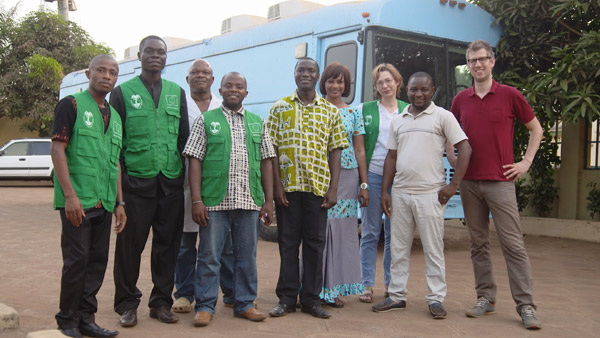 The introduction of plasma treatment hit the headlines during last year’s Ebola outbreak in Africa.
It had been hoped that antibodies from survivors might reduce viral levels and trigger immune reactions in infected patients.
The research found that the treatment was safe and was backed by donors, patients and health workers.
The Belgian-led study involved some 84 patients treated with plasma in Guinea.
Their survival rates were compared with 400 patients who underwent care in the same centre before the trial.
The findings were reported in the New England Journal of Medicine.
They suggest the use of plasma was linked to a 2.6% reduced mortality rate – not enough to be statistically significant.
Researcher Professor Johan van Griensven, of the Antwerp Institute of Tropical Medicine, said it was possible that higher doses of the treatment might be effective.
He said: “A single administration of two units of convalescent plasma does not save lives, but further analysis may reveal whether the amount of antibodies in the donated plasma had an impact on treatment outcomes.
“Possibly, a more targeted and concentrated use of plasma could help patients fight off Ebola. Although these results might not be the answer we had hoped for, they provide crucial information about the role of convalescent plasma against this horrible disease.
“We now also know this kind of intervention can be safely organised in an emergency situation.”
Dr Nyankoye Haba, of the Guinean national blood transfusion centre, said: “We are enormously grateful for the contribution of Ebola survivors, who donated their plasma and encouraged their peers to do the same. Without their contribution we would not have managed to reach these conclusions.
“This study also allowed the Guinean national transfusion centre to use cutting-edge technology and build the capacity of staff members with benefits for the long term.”
Marie-Paule Kieny, from the World Health Organisation, said the study was the “first step.”
She said: This trial has been helpful in establishing the safety of convalescent plasma and it tells us that the procedure was accepted by the community.
“While only a first step, it tells us that plasma may be worth exploring as a treatment in the future, potentially by using donations with high-antibody levels."
NEJM 6 January 2016
Leave a Reply