
Growing populations in some tropical countries are massively increasing the risk of new diseases finding their way from bats to humans, according to a British research project.
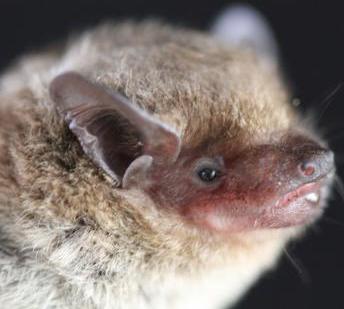 A new “map” of risk from bats shows the greatest risks in West Africa, sub-Saharan Africa and south-east Asia.
Bats are thought to have been the source of diseases such as rabies, Ebola and SARS into the human population.
Researchers say that one of the risks is from humans moving into areas that were previously forest hunting bats for food.
The map shows the greatest diversity of bat viruses is in South America. But the greatest risk of diseases finding their way to humans is in West Africa, it shows.
It has been developed by a team from University College London, Edinburgh University and the Zoological Society of London.
Researcher Liam Brierley, from Edinburgh University, said: “We are seeing risk hotspots for emerging diseases where there are large and increasing populations of both humans and their livestock. As a result, settlements and industries are expanding into wild areas such as forests and this is increasing contact between people and bats.
“People in these areas may also hunt bats for bush meat, unaware of the risks of transmissible diseases which can occur through touching body fluids and raw meat of bats.”
He added: “We’re pleased to have collated ecology, epidemiology and public health information to identify the factors that drive virus sharing and we hope it is used to improve surveillance of emerging diseases and inform decisions about preventative action.
“There’s still some way to go in monitoring virus diversity in wild animals and specific information on infections that would allow us to create higher-resolution maps.”
Drivers of Zoonotic Bat Viruses: A Process-based Perspective American Naturalist 5 January 2015
Leave a Reply