
Some 125,000 children under the age of five die annually around the world from food-borne diseases, according to a report published yesterday.
 These deaths represent nearly a third of the total from these diseases, according to the World Health Organisation.
A new WHO report estimates the impact of food diseases caused by a total of 31 agents, including bacteria, viruses, parasites, toxins and chemicals.
It says one in ten people annually fall ill from food diseases – about 600 million. The total number of deaths is estimated at 420,000.
The greatest problems are in Africa and South-East Asia, WHO says, while the lowest rates of disease are in Europe.
Even in Europe there are 5,000 deaths a year, including 2,000 from salmonella infection, it says. In total 23 million a year succumb to diseases in this region.
Diarrhoea from bacteria and viruses is responsible for more than half the illnesses – and for 96,000 child deaths a year, the report says.
WHO says there is a "significant need" for improved training on preventing diseases among food producers, suppliers, handlers and the general public. It says it has spent ten years compiling "conservative" estimates of the impact of food-borne diseases.
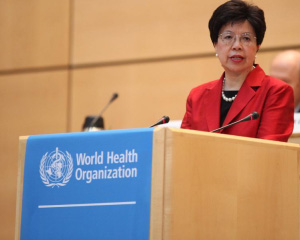
WHO director-general Dr Margaret Chan said: “Until now, estimates of foodborne diseases were vague and imprecise. This concealed the true human costs of contaminated food. This report sets the record straight.
“Knowing which foodborne pathogens are causing the biggest problems in which parts of the world can generate targeted action by the public, governments, and the food industry.”
Leave a Reply