
The plague was endemic in Europe and Asia long before it gained the ability to spread through fleas, researchers reveal today.
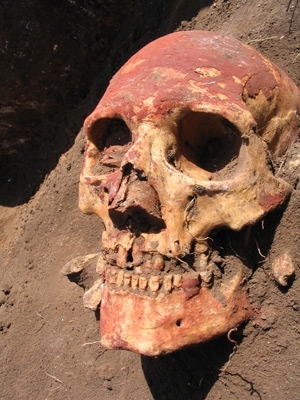 The Cambridge University, UK, researchers say they have found evidence that the Yersinia pestis bacteria infected humans as long ago as the fourth millennium BC.
They say it mutated to survive in the gut of fleas about 1,000 BC, creating the bubonic form of the disease.
The first recorded human pandemic was in 541 AD and marked the point when the Byzantine Empire began its long decline.
Reporting in Cell, the researchers say the plague may have been responsible for population collapses at the end of the fourth millennium BC.
The findings come from genetic studies of the teeth of 101 Bronze Age adults and, the researchers say, have led to the identification of a victim of the disease dying in 3768 BC.
Missing genetic components in this early DNA suggests the disease would only infect the lungs and could not survive in fleas, they report.
The first evidence of a mutated strain of plague was found in Armenia in 951 BC.
Researcher Dr Marta Mirazón-Lahr said: “The Bronze Age was a period of major metal weapon production, and it is thought increased warfare, which is compatible with emerging evidence of large population movements at the time.
"If pneumonic plague was carried as part of these migrations, it would have had devastating effects on small groups they encountered.
“Well-documented cases have shown the pneumonic plague’s chain of infection can go from a single hunter or herder to ravaging an entire community in two to three days.”
Early Divergent strains of Yersinia pestis in Eurasia five thousand years ago. Cell 21 October 2015
Leave a Reply