Leading specialists in immunology have backed efforts to begin Ebola vaccination as soon as possible.
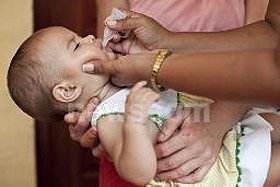 The specialists yesterday set out how vaccines could be rapidly introduced.
The World Health Organisation has said that people in affected west African regions could be vaccinated early next year with new vaccines. But it does not expect mass vaccination to get under way until the second half of 2015.
Volunteers in a number of countries are already testing the safety of some vaccines.
The International Union of Immunology Societies, which represents societies in 69 countries, says animal safety trials of new vaccines could be conducted in parallel with the first human trials.
One of its experts, Professor Clive Gray, of the University of Cape Town, South Africa, said: "The current Ebola outbreak, is an unprecedented disaster for humans. This virus cunningly hijacks the human immune system with devastating effects. Without blocking transmission, Ebola may become endemic."
Fellow expert Professor Reinhold Schmidt, of the University of Hannover, Germany, added: "Time is not on our side. Funding is urgently needed, as well as a more flexible and speedy process to make vaccines available to populations at greatest risk, in order to halt this devastating Ebola outbreak."
* Australia became the first major country to impose a blanket travel ban on the affected countries, Sierra Leone, Liberia and Guinea, yesterday.
The World Health Organisation has resisted travel bans, arguing it could aggravate the plight of the stricken countries. But many countries have put restrictions in place and some US states are quarantining health workers returning from the three countries.
A Dead-End Host: is there a way out? A position piece on the Ebola virus outbreak by the International Union of Immunology Societies. doi: 10.3389/fimmu.2014.00562
Leave a Reply