
A pilot scheme to vaccinate children against flu has yielded “encouraging” results, says Public Health England.
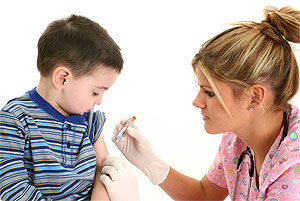 Vaccination was introduced as a way to help slow the spread of the flu virus.
Writing in Eurosurveillance, Dr Richard Pebody, study author and flu expert at PHE, said that early results from the 2013 to 2014 pilot programme suggest that it has had a positive impact on levels of flu.
Last year all children aged 2 and 3 years were offered the flu vaccination, while children aged between 4 and 11 years old were vaccinated in 7 pilot areas – Bury, Cumbria, Gateshead, Leicester City, East Leicestershire and Rutland, as well as the London Boroughs of Havering and Newham and South East Essex in England – as part of a plan to extend the flu immunisation programme.
A total of 104,792 primary age children received at least 1 dose of a nasal spray flu vaccine or a needle vaccine – an overall uptake of 52.5% in the target group.
Although flu levels were low in 2013 to 2014, Dr Peabody said the results from the pilot showed a positive impact, albeit statistically non-significant.
The researchers used a range of surveillance indicators, such as GP consultations for influenza-like illness, swab positivity in primary care, laboratory confirmed hospitalisations and percentage of respiratory emergency department attendances.
They found that the cumulative GP consultation rate for ‘influenza-like illness’ over the 2013 to 2014 season was higher in non-pilot areas (64.5/100,000) than pilot areas (17.7/100,00).
The cumulative influenza positivity rate in primary care was also lower in pilot areas at 8.5% compared to 16.2% in non-pilot areas, while the cumulative proportion of emergency department respiratory attendances was 5.5% in pilot areas and 8.7% in non-pilot areas.
Dr Pebody said: “These early results of the uptake and impact of the first year of the childhood flu vaccine programme are encouraging and the uptake levels already achieved in primary school age children this season in the pilot areas are positive.
“Despite this season being of relatively low intensity, these early findings already suggest a likely impact of vaccinating school-age children on levels of circulating flu, which is encouraging for the on-going roll-out.
“It will be important we continue this on-going close monitoring of the programme, but the high uptake levels achieved in most pilot areas using school-based delivery demonstrate the feasibility of achieving high coverage levels.”
Dr Paul Cosford, director for health protection and medical director at PHE, added: “This is an important addition to the national programme and is being carefully planned. The pilots are helping us to understand the best way to implement the programme nationally, ensuring that we can set up a successful and sustainable programme, vaccinating children and young people to protect them and the wider population.”
From September 2014 the flu vaccine will be offered to all children aged 2 to 4 years of age. The geographical pilots for primary school children established in 2013 to 2014 will continue and a number of additional pilots for secondary school age children aged 11 to 12 will also begin in some areas.
Leave a Reply