
Eating extra pulses can significantly reduce unhealthy forms of cholesterol and lower the risk of heart disease, researchers say.
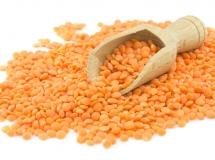 The research, published last night, says one serving a day is enough to reduce LDL (“bad cholesterol”) by as much as 5%.
Dr John Sievenpiper, of St Michael’s Hospital Clinical Nutrition and Risk Factor Modification Centre, Toronto, Canada, said although a single serving was just 130 grams, people would have to double their consumption to benefit.
His meta-analysis reviewed 26 randomised controlled trials of 1,037 people and the results are published in the latest edition of the Canadian Medical Association Journal.
He claims that a single serving per day of beans, peas, chickpeas or lentils, which have low levels of sugar, would reduce the risk of heart disease by 5-6% in North America alone.
“We have a lot of room in our diets for increasing our pulse intake to derive the cardiovascular benefits," Dr Sievenpiper said. “Pulses already play a role in many traditional cuisines, including Mediterranean and South Asian. As an added bonus, they’re inexpensive.”
His research found that men had greater reduction in LDL cholesterol compared with women, possibly because their diets are poorer and cholesterol levels are higher and benefit more markedly from a healthier diet.
Some study participants reported stomach upset such as bloating, gas, diarrhoea or constipation but these symptoms subsided over the course of the study.
Ha V, Sievenpiper J et al. Effect of dietary pulse intake on established therapeutic lipid targets for cardiovascular risk reduction: a systematic review and meta-analysis of randomized controlled trials. Canadian Medical Association Journal. 7th April 2014. doi:10.1503/cmaj.131727
Leave a Reply