
The World Health Organisation (WHO) is to highlight the dangers of diseases transmitted by insects as part of World Health Day on April 7, it has announced.
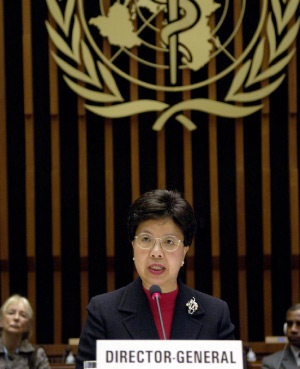 Dr Margaret Chan, WHO director-general, said it was focusing on the diseases, known as vector-born diseases, this year because “no one in the 21st century should die from the bite of a mosquito, a sandfly, a blackfly or a tick”.
Its newly published report, A Global Brief On Vector-Borne Diseases, which coincides with the campaign day, outlines the steps that governments, community groups and families can all take to protect people from infection.
“A global health agenda that gives higher priority to vector control could save many lives and avert much suffering,” said Dr Chan.
“Simple, cost-effective interventions like insecticide-treated bed nets and indoor spraying have already saved millions of lives.”
She said vector-borne diseases, which affects the poorest populations where there is a lack of adequate housing, safe drinking water and sanitation, are on the rise.
Within the past 20 years, many vector-borne diseases have re-emerged or spread to new parts of the world because of environmental changes, an increase in international travel and trade, changes in agricultural practices and rapid unplanned urbanisation.
The report highlights schistosomiasis, transmitted by water snails, as the most widespread of all vector-borne diseases, affecting almost 240 million people worldwide. Despite its prevalence, it can be controlled through regular mass treatment of at-risk groups with a safe, effective medicine, as well as improving access to safe drinking water and sanitation.
“Vector control remains the most important tool in preventing outbreaks of vector-borne diseases,” says Dr Lorenzo Savioli, director of WHO’s department of control of neglected tropical diseases.
“Increased funds and political commitment are needed to sustain existing vector-control tools, as well as medicines and diagnostic tools – and to conduct urgently needed research.”
Leave a Reply