
Patients with rheumatic conditions should not use herbal cannabis to help ease the pain of their condition, researchers say today.
 Research by McGill University Health Centre (MUHC) and the Research Institute of the MUHC in Quebec, Canada, says there is no medical evidence to suggest that it is neither effective nor safe to use medical marijuana to treat symptoms of rheumatoid arthritis, lupus, or fibromyalgia.
In a newly published article in Arthritis Care & Research, Dr Mary-Ann Fitzcharles, looks at the risks associated with using herbal cannabis for medicinal purposes and concludes that healthcare providers should discourage rheumatology patients from using this drug as therapy.
Medical cannabis is commonly used to self-treat severe pain associated with arthritis and musculoskeletal pain.
It is believed up to 33% of people in the UK and Australia use cannabis to treat arthritis pain. Previous research has suggested that that 80% of marijuana users in a US pain clinic are treating myofascial pain with the drug.
“With the public outcry for herbal cannabis therapy, governments around the world are considering its legalisation for medicinal use,” says Dr Fitzcharles.
“Physicians caring for patients who are self-medicating with marijuana need to understand the health implications of using this drug. Our study aims to provide health care professionals with that medical evidence related to medical marijuana use in patients with rheumatic conditions.”
Her study examines the dosing, administration, efficacy and risks of herbal cannabis in pain management for patients with rheumatic conditions. The health issues with recreational marijuana are not covered.
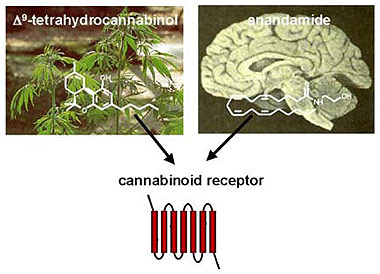
Concentrations of tetrahydrocannabinol (THC), the substance found in Cannabis sativa that provides pain relief and alters brain function, vary in the plant material by up to 33% and absorption rates are between 2% and 56%. This makes dosing of herbal cannabis unreliable.
While cannabis may be ingested, most users prefer to inhale the compound for a quicker response. However, smoking a “joint” is not recommended by the medical community due to adverse effects on the respiratory system from hydrocarbons, tar and carbon monoxide.
There are no formal short-term or long-term studies into the effectiveness of herbal cannabis in patients with rheumatic diseases, while research that shows good efficacy of cannabinoids for cancer and neuropathic pain cannot be extended to rheumatic diseases because of the differing mechanism in the types of pain.
Dr Fitzcharles and colleagues say the use of medical marijuana comes with inherent risks such as compromised cognitive and psychomotor function.
Long-term use of cannabis may lead to mental illness, dependence, addiction and memory issues.
“At this time, we cannot recommend herbal cannabis for arthritis pain management given the lack of efficacy data, potential harm from the drug, and availability of other therapies for managing pain,” concludes Dr. Fitzcharles. “Physicians should discourage rheumatology patients from using medical marijuana as a therapy.”
Fitzcharles MA, Clauw D et al. The Dilemma of Medical Marijuana Use by Rheumatology Patients Arthritis Care and Research 3 March 2014; doi: 10.1002/acr.22267 [abstract]
Leave a Reply