
A global definition of poverty should include the child in the womb as well as babies after birth, experts say today.
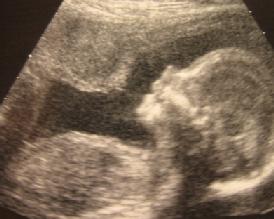 According to the Geneva-based public health experts, a change of definition would ensure disaster relief development projects took better account of the hazards facing pregnant women.
Writing in the Journal of the Royal Society of Medicine, Dr Bruce Currey and his colleagues point the finger at the World Bank, which measures life expectancy from the point of birth.
Life expectancy is a key factor in identify in poverty – but, according to Dr Currey, the measure would be more effective if it included the fate of babies growing in the womb.
Dr Currey, of the Institute of Social and Preventative Medicine, said: “Social and environmental risks and hazards affecting mother and baby during pregnancy may reduce the resilience of the child in the next stages of life’s journey.
“Until now, the nine months between conception and birth are being ignored in the UN disaster and climate change discourse.”
He added: “To prevent this global toll and to begin to reduce the reality of risks to the unborn infant, the medical, health and midwifery professions must together advocate concerted action to fill the nine month gap – ignored by so many organisations and policy makers.”
Reducing risks to the unborn child JRSM 25 October 2013; DOI: 10.1177/0141076813507709
Leave a Reply