
A powerful new vaccine or treatment for flu could be developed following discoveries made by British researchers.
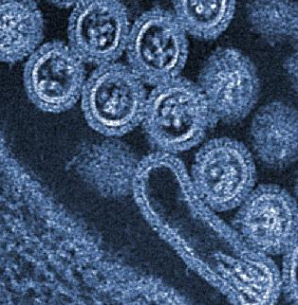 The London-based researchers say they have found out how some people successfully resisted infection with the so-called swine flu in 2009.
Reporting in Nature Medicine, they say that people who avoided severe illness had high levels of cells known as CD8 T-cells in their system at the start of the pandemic.
They took blood samples from the 342 volunteers just as the outbreak got under way – and then asked them to report any flu symptoms over the next two years.
The volunteers had email reminders every three weeks.
Researcher Professor Ajit Lalvani, of Imperial College, London, UK, said the T-cells would target the "core" of the virus – making it effective against different strains of flu.
He said it would be possible to develop a vaccine to stimulate the production of CD8 T-cells in the immune system.
He said: "The 2009 pandemic provided a unique natural experiment to test whether T cells could recognise, and protect us against, new strains that we haven’t encountered before and to which we lack antibodies.
“Our findings suggest that by making the body produce more of this specific type of CD8 T cell, you can protect people against symptomatic illness. This provides the blueprint for developing a universal flu vaccine.
"Now that we know these T cells may protect, we can design a vaccine to prevent people getting symptoms and transmitting infection to others. This could curb seasonal flu annually and protect people against future pandemics.”
Cellular immune correlates of protection against symptomatic pandemic influenza. Nature Medicine 22 September 2013.
Leave a Reply