
The deadly new lung virus found in the Middle East may have originated in African bats, researchers say.
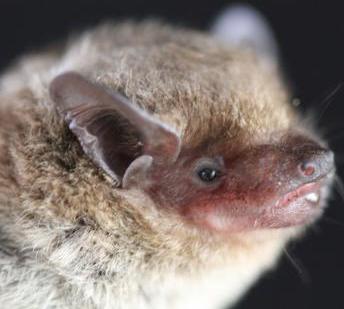 Researchers at Bonn University, Germany, say they have found a virus in South African bats and it is more closely related to the new MERS-CoV virus than any other.
They revealed their findings in the journal Emerging Infectious Diseases as a detailed analysis showed the virus is more deadly in people who have existing medical conditions.
Research, led by Professor Ziad Memish, the Deputy Minister for Public Health from the Kingdom of Saudi Arabia and published in The Lancet, has pinpointed important differences between of SARS and MERS.
The largest case series undertaken to date, it includes 47 cases of confirmed MERS cases in Saudi Arabia between 1 September 2012 and 15 June 2013.
Professor Memish says there older patients, more men, and people with underlying medical conditions tended to contract the virus.
While MERS (Middle East Respiratory Syndrome) is similar to SARS – most people who are admitted to hospital experience fever, chills, coughs, shortness of breath and muscle pain – 96% of cases occurred in people with underlying medical conditions.
Of those, 68% had diabetes, 49% had chronic renal disease, 34% high blood pressure, and 28% had chronic heart disease, says Prof Memish.
“Despite sharing some clinical similarities with SARS (eg, fever, cough, incubation period), there are also some important differences such as the rapid progression to respiratory failure, up to 5 days earlier than SARS,” said Professor Memish.
“In contrast to SARS, which was much more infectious especially in healthcare settings and affected the healthier and the younger age group, MERS appears to be more deadly with 60% of patients with co-existing chronic illnesses dying, compared with the 1% toll of SARS.
“Although this high mortality rate with MERS is probably spurious due to the fact that we are only picking up severe cases and missing a significant number of milder or asymptomatic cases, so far there is little to indicate that MERS will follow a similar path to SARS."
Co-author Professor Ali Zumla from University College London, said milder or asymptomatic cases of MERS have emerged recently in health care workers, children, and family members of people with the virus, which suggested “spectrum of milder clinical disease” needed urgent definition.
“Ultimately, the key will be to identify the source of MERS infection, predisposing factors for susceptibility to infection, and the predictive factors for poor outcome,” he explained. “Meanwhile infection control measures within hospitals seem to work.”
Memish Z, Zumla A. Epidemiological, demographic, and clinical characteristics of 47 cases of Middle East respiratory syndrome coronavirus disease from Saudi Arabia: a descriptive study. Lancet Published Online. 26 July 2013; doi.org/10.1016/S1473-3099(13)70204-4 [abstract]
Close Relative of Human Middle East Respiratory Syndrome Coronavirus in South African Bat. Emerging Infectious Diseases. DOI: doi.org/10.3201/eid1910.130946
Leave a Reply