
Public health workers should use new technology to pin down web-based rumours about vaccines, experts say today.
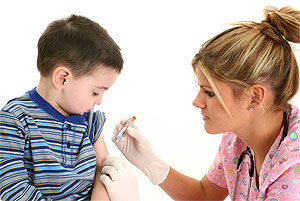 A new study sets out how tracking systems can be used to monitor the mood of the internet about vaccines.
It follows the devastating effects of the false scare about the MMR vaccine a decade ago – which has been blamed for a series of major measles outbreaks across the UK and Europe.
The researchers have adapted a system called HealthMap, which uses on-line surveillance to identify disease outbreaks. It monitors news reports, blogs, social networking sites and government announcements.
In the latest study, reported in The Lancet, researchers identified more than 10,000 mentions of vaccines in a 12 month period ending last April. They found that 69% of these were positive about vaccines and 31% were negative.
Researcher Heidi Larson, from the London School of Hygiene & Tropical Medicine, UK, said today: "Recent measles outbreaks in the UK, stemming from children not-vaccinated due to fears prompted by now-discredited research over a decade ago, is one example of the long-term consequences of broken public trust in vaccines.
"The Internet has speeded up the global spread of unchecked rumours and misinformation about vaccines and can seriously undermine public confidence, leading to low rates of vaccine uptake and even disease outbreaks."
She added: "Real-time monitoring and analysis of vaccine concerns could help governments and public health officials locally, nationally, and globally understand where they should focus their attention and resources when a concern arises, and where specific vaccines might need more tailored engagement strategies."
Leave a Reply