
Internet health information may help many patients – but it is causing problems for vaccination programmes, a European health summit heard yesterday.
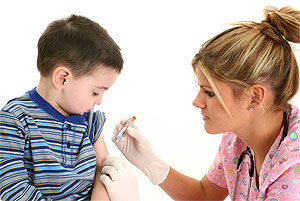 Too often opponents of vaccination "drowned out" reliable information, the European Health Forum Gastein in Bad Hofgastgein, Austria, heard.
The session heard about an investigation carried out last year by the European Centre for Disease Prevention and Control.
This found that 80% of GPs report that patients often come bearing pages of internet information.
The conference heard that measles and rubella were meant to have been eliminated from Europe by 2010. Instead measles is on the increase – with 12,500 cases in Europe in the last year. And an epidemic of rubella in Romania and Poland led to 22,000 cases of the disease being reported across the continent.
John McConnell, editor of The Lancet Infectious Diseases, told the forum: "There is not only a great deal of misinformation on vaccination circulating on the internet, opponents are also organising actual campaigns and are recklessly frightening parents into not having their children vaccinated.
"Evidence-based facts on vaccines or successful vaccination programmes have less chance of being taken seriously. The aggressiveness of the vaccination sceptics drowns out everything else."
Dr Marc Sprenger, director of the ECDPC, said: "We must position ourselves more strongly and in a more professional way in social networks. Prestigious health institutions also need to be more open to new innovative approaches, to reach parents with evidence-based information on the uses and safety of vaccination, and thus prevent serious diseases and disabilities.
"It is especially important to strengthen public trust in vaccination by involving independent experts and testimonials."
Leave a Reply