
Pregnant women can reduce the risk of developing serious complications by following a calorie controlled diet, researchers say today.
 A study led by Dr Shakila Thangaratinam from Queen Mary, University of London, concluded that dietary and lifestyle interventions in pregnancy improve outcomes for both mother and baby.
But the research was criticised for not providing sufficient evidence for the National Institute for Health and Clinical Excellence (NICE) to reassess the guidelines for weight management in pregnancy.
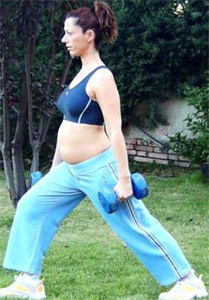
Dr Thangaratinam and a research team investigated the effects of diet, exercise, or a combination of the two, on weight gain during pregnancy and any adverse effects on mother or baby.
They analysed the results of 44 randomised controlled trials involving more 7,000 women and found that weight management interventions in pregnancy were effective in reducing weight gain in the mother.
Writing in the British Medical Journal, they said a calorie controlled diet led to the largest average reduction in weight gain – almost 4kg – compared with just 0.7 kg for exercise and 1 kg for a combination of the two. A diet also offered the most benefit in preventing pre-eclampsia, diabetes, high blood pressure and premature birth.
However, the authors stress that the overall evidence rating was low to very low and acknowledge the lack of data on risk factors such as age, ethnicity and socioeconomic status.
Midwives welcomed the findings – but warned pregnant women should not seek to lose weight by controlling calories.
Dr Janine Stockdale, a researcher at the Royal College of Midwives, said: "We should be careful to note that the researchers are not advising women to lose weight during pregnancy; this is about managing excessive weight or weight gain.
"We need to reassure women that under the care of a midwife or other health professional, weight management is safe and offers benefits to mother and baby, such as a reduced risk of pregnancy-related diabetes and pre-term birth."
Writing in the journal, Lucilla Poston and Lucy Chappell, from St Thomas’s Hospital, London, say the study was “timely and welcome” – but add that more evidence was required to support an intervention.
Several ongoing trials will enable a greater understanding of effective interventions in overweight and obese women, they added.
Leave a Reply