
Laws to cut use of salt and industrially altered fats in food could be twice as effective as medical prevention of heart disease, a British researcher claimed today.
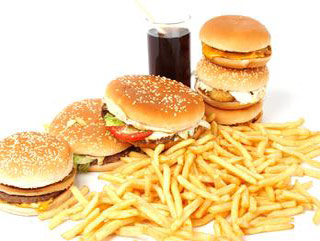 Measures to improve the healthiness of processed foods would save up to £270 million a year in NHS costs through reducing rates of stroke and heart disease, according to Dr Pelham Barton, of Birmingham University, UK.
Writing in the British Medical Journal, Dr Barton says this far outstrips other measures that might reduce heart disease rates.
He says a national programme to reduce levels of blood pressure and cholesterol by five per cent would save no more than £100 million a year.
The biggest impact would come from a small reduction in daily consumption of industrially produced trans fatty acids – by just 0.7 per cent. This would save the National Health Service £230 million a year through reduced illness.
Cutting salt intake by 3 grams a day would save £40 million a year, he says.
This could be done by legislation or other means.
The findings were welcomed by British campaigners.
Victoria Taylor, of the British Heart Foundation, said the findings backed its call for "traffic light" systems to let shoppers know how healthy foods are.
She said: "We know that eating well is key for our heart health. Voluntary action has already helped to make improvements to our diets, but there’s much more that still needs to be done including reformulating foods to make them healthier, and helping to make the ‘healthy choice’ an easy choice for shoppers."
Leave a Reply