British women are facing an increased risk of developing breast cancer, experts warned today.
 The risk has risen by about an eighth, according to analysis published on World Cancer Day.
Around the world, campaigners were seeking to stress the benefits of a healthy lifestyle for preventing cancer of the breast and other cancers, such as bowel cancer.
In the last decade in Britain, breast cancer rates have increased by 3.5 per cent, according to Cancer Research UK.
By 2008 the number of women diagnosed was 47,700, some 5,300 more than nine years earlier.
The biggest increase was among women aged between 50 and 69 – where rates increased by six per cent.
One in eight women now face developing the disease – compared with one in nine a decade ago, according to Cancer Research UK.
Growing levels of obesity and alcohol drinking are thought to be key factors – but other lifestyle factors, such as having children late in life, are also known to be increasing risk.
Sarah Hiom, of Cancer Research UK, said women should take care of using hormone replacement therapy – which might increase risk.
She said: "Women cannot change their genes but small changes in everyday habits can help to reduce cancer risk. Cutting back on alcohol by keeping within government recommended limits of no more than 14 units a week (a small drink a day) helps.
"Taking more exercise and eating a diet high in fibre but low in saturated fat can help maintain a healthy weight – which in turn reduces breast cancer risk."
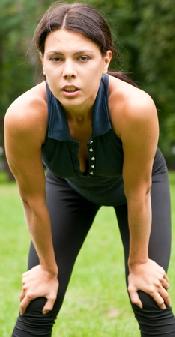
* New advice on exercise, published today, calls for two and half hours a week to stave off breast and colon cancer.
The World Health Organisation says adults over the age of 18 need 150 minutes of aerobic physical exercise of moderate intensity each week to cut the risk of cancer and heart disease.
Surprisingly, WHO says children and teenagers need just 60 minutes a week of moderate to vigorous intense exercise.
Dr Ala Alwan, of WHO, said: "Physical inactivity is the fourth leading risk factor for all global deaths, with 31 per cent of the world’s population not physically active."
Leave a Reply