
Global health officials are seeking to get to grips with traditional medicines in a bid to ensure they can be researched properly.
 The World Health Organisation has set out plans to classify the herbs and remedies used by traditional and alternative practitioners around the world.
It will focus first of all on China, Japan and Korea.
Traditional medicines have often proved a source of modern drugs – while regulators have frequently cracked down on practitioners accused of using toxic or ineffective treatments.
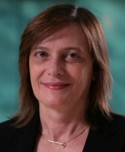
Dr Marie-Paule Kieny, of WHO, said: "We recognise that the use of traditional medicine is widespread. For many people – especially in the Western Pacific, South-East Asia, Africa and Latin America – traditional medicine is the primary source of health care.
"Throughout the rest of the world, particularly Europe and North America, use of herbal medicines, acupuncture, and other traditional medicine practices is increasing. Global classification and terminology tools, for traditional medicine, however, have been lacking.
"Several countries have created national standards for the classification of traditional medicine but there is no international platform that allows the harmonisation of data for clinical, epidemiological and statistical use.
"There is a need for this information to allow clinicians, researchers and policy-makers to comprehensively monitor safety, efficacy, use, spending and trends in health care."
Leave a Reply