Mothers infected with HIV should breast-feed their babies whilst continuing to take drug treatment, according to new global guidelines published today.
The guidelines, issued by the World Health Organisation on the eve of World AIDS Day, stress the need for starting drug treatment as early as possible.
They come as British health officials warned that too many infected patients were being put at risk through being diagnosed too late.
 WHO said several clinical trials since 2006 had shown that anti-HIV drugs can prevent infection of an infant from breast-feeding.
It says pregnant women infected with HIV should begin treatment at 14 weeks of pregnancy and continue throughout breast-feeding, which should last until the baby is 12 months old.
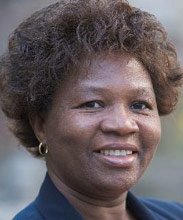
Daisy Mafubelu, WHO’s head of family health, said: "In the new recommendations, we are sending a clear message that breastfeeding is a good option for every baby, even those with HIV-positive mothers, when they have access to anti-retrovirus drugs."
In Britain, the Health Protection Agency warned that as many as 55 per cent of those diagnosed with HIV infection last year were identified after the point at which treatment should begin.
Some 525 people died from HIV last year and three quarters of these had been diagnosed after treatment should have started, the HPA said.
Some 7,298 people were diagnosed in 2008 and some 83,000 are now living with the disease.
The British HIV Association revised treatment guidelines last year, calling for it to begin much earlier than before. The HPA said this highlighted the need for those at risk of infection to undertake testing.
HPA expert Dr Valerie Delpech said: "HIV is a serious infection but if diagnosed early, there are very good treatment options. Of concern is that over 22,000 people remain unaware of their infection in the UK and cannot therefore benefit from effective treatment."
Leave a Reply