
Hope for asthma pill
Monday August 8th, 2016
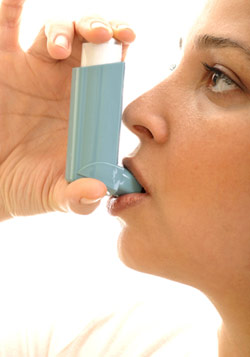
A new asthma pill could replace inhalers for some patients, researchers have revealed.
 The
treatment is described as the first asthma pill for 20 years.
The
treatment is described as the first asthma pill for 20 years.
A study at Leicester University found the drug, Fevipiprant, "significantly" decreased the symptoms of disease, improved lung function and repaired the lining of the airways as well as reducing inflammation.
The research involved some 61 patients and was reported in The Lancet Respiratory Medicine.
It found the sputum eosinophil count reduced over 12 weeks from an average of 5.4% to 1.1% in patients with moderate to severe disease.
Researcher Professor Christopher Brightling said: “A unique feature of this study was how it included measurements of symptoms, lung function using breathing tests, sampling of the airway wall and CT scans of the chest to give a complete picture of how the new drug works.
“Most treatments might improve some of these features of disease, but with Fevipiprant improvements were seen with all of the types of tests.
“We already know that using treatments to target eosinophilic airway inflammation can substantially reduce asthma attacks.
“This new treatment, Fevipiprant, could likewise help to stop preventable asthma attacks, reduce hospital admissions and improve day-to-day symptoms- making it a game changer for future treatment.”
Asthma UK greeted the findings with "cautious optimism."
Dr Samantha Walker, director of researcher and policy, said it showed "massive promise."
She said: “The possibility of taking a pill instead of using an inhaler will be a very welcome one among the 5.4 million people in the UK with asthma, particularly as this study focused on people who develop the condition in later life, some of whom we know can struggle with the dexterity required to use an inhaler.
“More research is needed and we’re a long way off seeing a pill for asthma being made available over the pharmacy counter, but it’s an exciting development and one which, in the long term, could offer a real alternative to current treatments.”
The Lancet Respiratory Medicine 6 August 2016
Tags: Allergies & Asthma | Pharmaceuticals | Respiratory | UK News
 Printer friendly page