
Exercise to prevent pelvic girdle pain
Friday October 9th, 2015
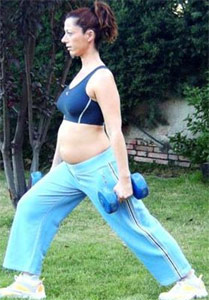
Exercising up to five times a week before becoming pregnant could reduce the risk of developing pelvic girdle pain, according to new Norwegian research.
 The
findings of the observational study found that undertaking high-impact
exercise between three and five times a week was associated with a 14%
lower risk of developing the painful condition by week 30 of pregnancy.
The
findings of the observational study found that undertaking high-impact
exercise between three and five times a week was associated with a 14%
lower risk of developing the painful condition by week 30 of pregnancy.
The research, which is published online in the British Journal of Sports Medicine, found that high-impact sports such as jogging, ball games, and aerobics were among the most beneficial activities to participate in.
The researchers used the Norwegian Mother and Child Cohort Study, which has been tracking the health and wellbeing of a cross section of Norwegian women and their children, and looked at more than 39,000 women – aged from 14 to 46 – who were expecting their first child between 2000 and 2009.
At the routine ultrasound scan at 17 weeks, they were asked about the type and frequency of the exercise they took in the three months before becoming pregnant. In week 30, they were asked about the frequency and intensity of pelvic girdle pain.
The frequency of exercise was scored from zero (never) up to three (at least three times a week) and included 13 different types of exercise: brisk walking; jogging or orienteering; cycling; training in fitness centres; swimming; low impact, high impact, or prenatal aerobics; dancing; cross country skiing; ball games; and horse riding.
Of those participating, 56.5% said they had exercised at least three times a week before they became pregnant, and 90% of these women were still exercising at week 17.
About 7% said they had not exercised during the three-month period before they became pregnant.
In total, 10.4% - or 4,069 – women said they had experienced pelvic girdle pain by their 30th week of pregnancy, but this rose to 12.5% among those who said they didn’t exercise in the run-up to their pregnancy.
Those who reported pelvic girdle pain were more likely to smoke, be overweight, under 25 and to have a history of depression and low back pain.
Women who did not report pain were more likely to have exercised between three and five times a week before they got pregnant, particularly if they took part in high impact exercise.
After taking account of influential factors, including age, weight (BMI), educational attainment, smoking and a previous history of back pain, high impact exercising between three and five times a week was associated with a 14% lower risk of developing pelvic girdle pain by week 30 of pregnancy.
“Acknowledging the limitations of our study, these results emphasise the importance of promoting regular exercise among women of childbearing age,” they conclude.
Dr Owe said: "Even though this is an observational study, we believe the results are important and support the current recommendations for physical activity and exercise.
"Special attention should be given to women of childbearing age when it comes to regular exercise which can have preventive effects on the risk of developing pelvic girdle pain when they become pregnant."
Owe KM, Bjelland E et al. Exercise level before pregnancy and engaging in high impact sports reduce the risk of pelvic girdle pain: a population based cohort study of 39 184 women. British Journal of Sports Medicine 8 October 2015; doi 10.1136/bjsports-2015-094921. October 2015. [abstract]
Tags: Childbirth and Pregnancy | Europe | Fitness | Women's Health & Gynaecology
 Printer friendly page