
Risk from short pregnancy intervals
Wednesday June 4th, 2014
Short gaps between pregnancies may lead to babies not growing fully in the womb, researchers warn today.
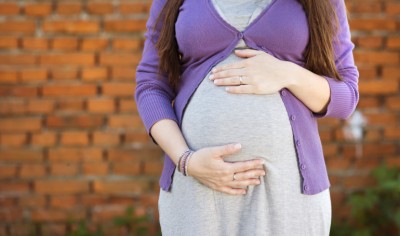 Women
who become pregnant shortly after giving birth may face problems in ensuring
the pregnancy lasts its full term, according to the new study.
Women
who become pregnant shortly after giving birth may face problems in ensuring
the pregnancy lasts its full term, according to the new study.
A team led by Dr Emily DeFranco at the University of Cincinnati, USA, looked at the consequences of short intervals between pregnancies.
They used records on 454,716 live births from women with two or more pregnancies over six years. Intervals between pregnancies were grouped into less than 12 months between birth and the next conception, 12 to 18 months between birth and conception, and longer.
Those with shorter gaps were more likely to have their subsequent baby before 39 weeks' gestation. If the gap was less than 12 months, this rate was 53%, compared to 38% of women with a gap over 18 months. Post-term birth (after 40 weeks) was less likely with a shorter gap - 17% for less than 12 months versus to 23% over 18 months.
The chance of a medically premature birth, before 37 weeks, was also higher, at 20% versus 8% with a gap over 18 months. In terms of racial groups, black women tended to have shorter gaps, as well as a higher rate of preterm birth when the gap was small compared to non-black mothers.
In <i>BJOG: An International Journal of Obstetrics and Gynaecology</i> today (4 June), Dr DeFranco calls for women to be advised on the importance of a birth space greater than 18 months.
"Short inter-pregnancy interval is a known risk factor for preterm birth, however, this new research shows that inadequate birth spacing is associated with shorter overall pregnancy duration.
"This study has potential clinical impact on reducing the overall rate of preterm birth across the world through counselling women on the importance of adequate birth spacing."
The UK Royal College of Midwives said it already sought to encourage women to take time before becoming pregnant after giving birth.
Louise Silverton, of the college, said: "If women are to breastfeed for the recommended six months before introducing solid foods, they may delay ovulation and assist in birth spacing.
“Women need access to contraceptive advice to allow them to space their births. In the UK specialist family planning service provision is patchy with GPs frequently offering only oral contraception. Specialist services should be available for all women.”
DeFranco, E. A. et al. Influence of interpregnancy interval on birth timing. BJOG 4 June 2014 doi:10.1111/1471-0528.12891
Tags: Childbirth and Pregnancy | North America | Nursing & Midwifery | Women's Health & Gynaecology
 Printer friendly page