
Tibetan fungus may hold asthma key
Monday November 19th, 2012
A semi-legendary fungus found in Tibet is set to provide a novel medicine for asthma and possibly a range of other conditions, British researchers have found.
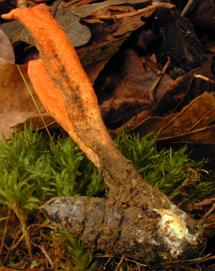 The rare
fungus, cordyceps, is found on hibernating caterpillars in the mountains
of Tibet and is highly prized in traditional Chinese medicine.
The rare
fungus, cordyceps, is found on hibernating caterpillars in the mountains
of Tibet and is highly prized in traditional Chinese medicine.
Nottingham University researchers had been testing it supposed ability to treat cancer.
But their findings show it has unique anti-inflammatory properties that specifically target the chest muscles affected by asthma.
The research, published in the journal RNA, shows that a chemical called cordycepin, found in the fungus, interferes with the final stage in which inflammation genes create RNA, which will act as a messenger for proteins.
Researcher Dr Cornelia de Moor said the chemicals properties could be useful in treating a range of conditions including stroke, cancer, rheumatoid arthritis and kidney failure.
She said she wanted to find out which other genes the chemical could affect - as it was "surprising" that it did not affect all genes.
She said: "These findings indicate that cordycepin acts by a completely different mechanism than currently used anti-inflammatory drugs, making it a potential drug for patients in which these drugs don't work well.
"Commonly used anti-inflammatory drugs either work much earlier in the activation of inflammatory genes, such as prednisone, or work on one of the final products of the inflammatory reaction, such as ibuprofen."
RNA November 1 2012, doi:10.1261/rna.032391.112
Tags: Allergies & Asthma | Asia | Cancer | Genetics | UK News
 Printer friendly page