
UN will miss child death target
Friday September 17th, 2010
The United Nations will not achieve its target to reduce the global child death rate by two-thirds, experts warn today.
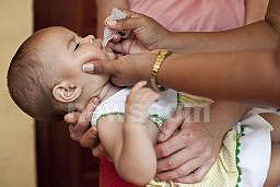 UNICEF
said while great progress has been made in some developing countries,
the UN’s millennium development target (MDG4) to cut child deaths
by two-thirds between 1990 and 2015 was not on track.
UNICEF
said while great progress has been made in some developing countries,
the UN’s millennium development target (MDG4) to cut child deaths
by two-thirds between 1990 and 2015 was not on track.
The finding mirrors similar concerns about targets for maternal mortality - where big reductions in death rates still fail to meet the hopes set out ten years ago.
Writing in The Lancet's Millennium Development Goals special issue, published yesterday, UNICEF said the number of deaths among children under the age of five had fallen from 12.4 million in 1990 to 8.1 million in 2009. Malnutrition is an underlying cause of one-third of those deaths, it says.
But three regions, sub-Saharan Africa, southern Asia, and Oceania, would not meet the target, warns UNICEF.
Since 1990, the number of deaths among the under-fives has dropped by one-third from 89 deaths per 1,000 live births in 1990 to 60 in 2009. All regions except sub-Saharan Africa, southern Asia, and Oceania have seen reductions of at least 50 per cent.
Northern Africa and eastern Asia have made the most progress in reducing child mortality, by 68 per cent and 58 per cent respectively, while ten countries with an under-five mortality rate above 40 per 1,000 live births reduced their rate by at least half. Bangladesh, Eritrea, Laos, Madagascar, Nepal, and Timor-Leste recorded a minimum 60 per cent reduction.
The study reveals that:
- Nearly half of the world's deaths among children under five occurred in India, Nigeria, Democratic Republic of Congo, Pakistan, and China;
- In southern Asia, more than half of deaths among those under the age of five occur when they are 28 days old or younger;
- In sub-Saharan Africa, one in every eight children dies before his or her fifth birthday - double the average for developing regions and about 20 times that of high-income countries combined;
- More than half the deaths of the under fives in sub-Saharan Africa are caused by malaria and diarrhoea, but interventions to prevent the deaths remain low;
- The number of countries with under-five mortality of 100 per 1,000 live births or more is down from 52 in 1990 to 31 in 2009. All these 31 countries are in sub-Saharan Africa.
However, four of the ten countries with more than a 50 per cent reduction in under-five mortality between 1990 and 2009 are in sub-Saharan Africa, as are five of the six countries with a reduction of more than 100 deaths per 1,000 live births.
Countries that have made the most progress have seen rapid expansion of basic public health and nutrition interventions, such as immunisation, breast feeding, vitamin A supplementation, and safe drinking water.
Continued progress to stem child mortality will require more investment and innovation, especially in the three regions that are not currently on track to achieve MDG 4, adds the report.
Tags: Africa | Asia | Australia | Child Health | World Health
 Printer friendly page