
Patients with breast cancer are often tempted to turn to herbal therapies – but they may delay healing and interfere with treatments, a European conference will hear today.
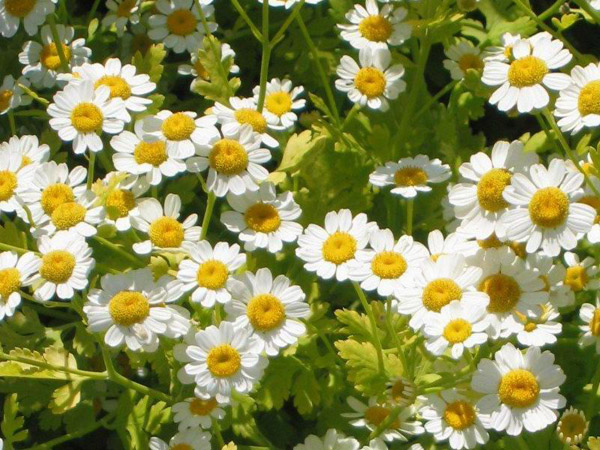 Many treatments, including popular herbal teas, may interfere with the healing of wounds after surgery, including feverfew, garlic, ginger, ginseng, hawthorn and horse chestnut, a Portuguese expert tells the Advanced Breast Cancer Fifth International Consensus Conference (ABC5) in Lisbon.
Professor Maria João Cardoso, head breast surgeon at the Champalimaud Cancer Centre and a teacher at the Nova Medical School in Lisbon, Portugal, said that patients with breast cancer were particularly likely to resort to topical creams because the disease frequently metastasises to the skin, causing discomfort and distress.
Professor Cardoso said patients might benefit from therapies that relieved psychological distress, such as mindfulness, acupuncture and yoga.
She said: "The number of herbal products available is huge and the available evidence for their efficacy is nil.
“Although doctors’ primary concern is to understand the biology, extent and history of the disease in their patients, the curse of the visible and disfiguring lesions, the pain, the smell and all the psychologic impact on the patients and their loved ones must not be underestimated.
"In these circumstances it’s not surprising that patients and their carers search for complementary or alternative treatments that might make a difference. But they could end up doing more harm than good.”
Conference co-chair Dr Larry Norton added: “One of the downsides of the digital revolution is that it is now easy for people to access information, not all of which is reliable. This can create confusion and even inform poor decisions. This includes the setting of so-called complementary or alternative approaches for skin metastases.
"Patients need to recognise that all opinions are not equal and there is still a vital role for experts, which includes the patient’s personal care team."
Leave a Reply