
So-called "fat-shaming" compounds the problem of obesity by reducing incentives to exercise, researchers say today.
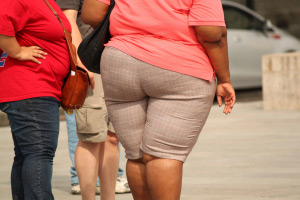 Dr Sarah Jackson of University College London, UK, analysed information taken from the English Longitudinal Study of Ageing, which is a large, long-term study of a representative sample of the English population aged 50 and older.
The analysis showed that those who felt discriminated against because of their size were nearly 60% more likely to be inactive than others.
This group also had a 30% lower rate of engaging in moderate or vigorous exercise once a week.
The researchers believe this could be due to feeling stigmatised and self-conscious about exercising due to potential embarrassment or teasing.
Details appear today in BMJ Open. The authors say this is the first study to look at the link between size discrimination and exercise in a large population-based group.
Dr Jackson says: "People who have experienced weight-related discrimination may lack the confidence to exercise in public. They may also begin to believe the negative stereotypes against themselves as lazy and worthless, leaving them wondering why they should bother trying to be active.
"Given the substantial benefits of being physically active for both physical and mental health, interventions that aim to reduce weight bias at a population level – for example through schools, local communities or national campaigns – may have greater impact on health than those that encourage people to lose weight.
"A Health at Every Size approach may be helpful in encouraging people to develop and maintain healthy habits, including regular physical activity, for the sake of health and wellbeing as opposed to weight control."
Jackson, S. et al. Association between perceived weight discrimination and physical activity: a population-based study among English middle-aged and older adults. BMJ Open 8 March 2017
Leave a Reply