
Two studies yesterday gave contradictory views of the extent that human error is responsible for brain damage to new-born babies.
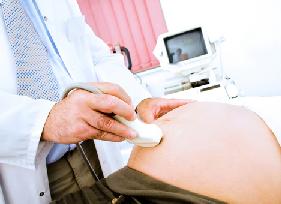 A Norwegian study, based on an analysis of legal claims, found that mistakes were the most common cause of oxygen-deprivation of babies during birth.
But a second Australian study challenged the idea that cerebral palsy is caused by this happening – finding that the use of caesarean section failed to reduce the incidence of the problem.
The Norwegian researchers examined some 315 claims made through the national compensation system about allegations of birth asphyxia.
Out of these claims some 161 were awarded compensation – including 54 cases in which babies died and 96 born with brain damage.
About half the cases were blamed on inadequate foetal monitoring and 14% on lack of clinical knowledge. Some 10% involved failure to ask for senior medical assistance, 11% failure to comply with guidelines and 4% with drug errors.
The findings were published in Acta Obstetricia et Gynecologica Scandinavica.
Researcher Dr Stine Andreasen, of Nordlandssykehuset, Bodø, Norway, said: “While foetal brain injury or death is uncommon during childbirth, when it occurs the effects are devastating."
“Training for midwives and obstetricians, along with high-quality audits, could help to reduce claims for compensation after birth asphyxia.”
Meanwhile researchers in Adelaide, Australia, conducted an analysis of research into the links between cerebral palsy and caesarean section.
Researchers said their findings explained why cerebral palsy rates had not fallen with the huge increase in numbers of births by caesarean section.
According to their findings, published in Obstetrics & Gynecology, neither planned or emergency caesarean procedures cut the risk of cerebral palsy.
Some 1.7 million healthy children and 3,800 with cerebral palsy were included in their analysis.
Researcher Professor Alastair MacLennan, from Adelaide University, said: "For over a century it was assumed, without good evidence, that most cases of cerebral palsy were due to low oxygen levels or trauma at birth.
"The simple facts are that over the last 40 years, caesarean rates have increased more than six-fold from 5% to 33% in Australia and in many other countries. However, the incidence of cerebral palsy has remained at 2-2.5 per 1000 births."
He added: "We now need to focus our efforts on finding the antenatal causes of cerebral palsy and their prevention. These may include genetic vulnerability and environmental triggers, such as infection."
Claims for Compensation After Alleged Birth Asphyxia: A Nationwide Study Covering 15 Years. Acta Obstetricia et Gynecologica Scandinavica 18 November 2013; doi: 10.1111/aogs.12276 [abstract]
Obstetrics & Gynecology December 2013
Leave a Reply