
The world needs to rethink its approach to antibiotics if it is to overcome the growing threat of drug resistance, experts say today.
 The call comes on European Antibiotic Awareness Day when UK health bodies are appealing to the public and doctors to reduce their use of the drugs.
This includes finding new ways of financing the development of drugs, warns Professor Otto Cars, of Uppsala University, Sweden. This includes an increased focus on the topic from academic researchers.
Writing in The Lancet Infectious Diseases, Professor Cars says pharmaceutical companies that develop new drugs will want to sale as many as possible to recover their investment – leading to worldwide pressure from marketing teams to abuse their use.
Professor Cars said today: "The causes of antibiotic resistance are complex and include human behaviour at many levels of society; the consequences affect everybody in the world.
"Within just a few years, we might be faced with unimaginable setbacks, medically, socially, and economically, unless real and unprecedented global coordinated actions to improve surveillance and transform the way antibiotics are regulated and developed are taken immediately."
The report also calls for world-wide bans on non-therapeutic use of antibiotics in farm animals and non-prescription sales of the drugs.
Meanwhile Public Health England and senior GPs issued new guidance pointing out that coloured phlegm – often seen as green – do not necessarily mean a bacterial infection.
Public Health England said its research found the public overwhelmingly believed "green" meant an illness that needed antibiotics.
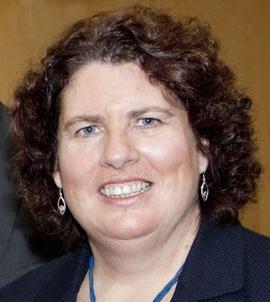
The new guidance was backed by the Royal College of GPs and its new chair Dr Maureen Baker.
Dr Baker said: "Many patients expect their GPs to prescribe antibiotics, even for cases that will get better naturally or respond better to other treatments.
"This guidance will go a long way to bust the myths surrounding antibiotics and promote more effective alternatives, which can often be easily managed by patients."
* The call for more research was backed by an opinion poll commissioned by the Royal Society of Chemistry. This found that 63% also said public and private finance should both be involved in the research effort.
The Lancet Infectious Diseases 18 November 2013 [abstract]
Leave a Reply