
Government officials were too quick to declare that faulty breast implants did not pose a threat to women’s health, it is claimed today.
 Campaigners point to levels of chemicals, known as endocrine disrupting chemicals, found in the PiP breast implants.
They say low doses of these chemicals could damage a baby in the womb.
The implants were manufactured in France and were found to have been made with industrial silicone, not approved for use in humans.
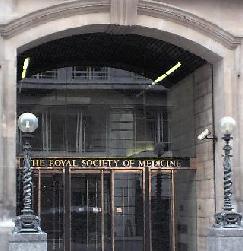
Writing in the Journal of the Royal Society of Medicine, campaigners point to flaws in the opinion delivered by the UK government’s expert panel set up to rule on the topic.
Andre Menache, director of consumer protection organisation Antidote Europe, says the panel should have contained more than one toxicologist.
And it says too much evidence was taken from animal research rather than studies involving humans.
He writes: “Considering these known risks and the fact that most women receiving breast implants were of reproductive age, we would expect the Medicines and Healthcare Regulatory Agency and the Department of Health to fulfil its duty of care and thoroughly investigate these risks as well as provide full information to patients.
"Based upon the evidence presented here we feel that the PIP breast implant scare is an example of regulatory and quality control failure that urgently requires addressing."
The PIP scandal; an analysis of the process of quality control that
failed to safeguard women from the health risks JRSM 9 May 2013
Leave a Reply