
Researchers have told how they are developing a system of electronic tags for major emergencies.
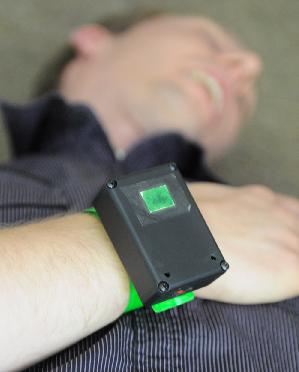 The tags will replace coloured paper tags used to triage victims during major incidents.
As well as transmitting the location and triage status of victims, they will also transmit vital signs.
The German researchers, working on the project, say medical responders will see all this mapped out on their tablet computers or smartphones.
As well as allowing appropriate medical aid to be deployed rapidly, the information will also enable decisions to be made about transport and hospitals, the developers say.
The system can operate on a local ZigBee network if other networks are unavailable, the researchers say.
The project is being backed with 13 million Euros from the EU Bridge Project and is being led by the Fraunhofer Institute for Applied Information Technology in Sankt Augustin, Germany.
So far the technology has been tested during a simulated terrorist attack in Norway with 350 victims, 50 first responders, 30 ambulances and some helicopters.
Developer Erion Elmasllari said: “This is a big advantage, because communication is often the first thing that breaks down during a catastrophe. We use the other networks when they’re available, but when they’re not, we simply build our independent, fully functioning ZigBee network.
"The required infrastructure is already there in the armbands. It works automatically – there’s no extra work involved."
Leave a Reply