
Fish oil could boost tamoxifen therapy for breast cancer sufferers, while freeze-dried strawberries could be an alternative to drugs for the prevention of oesophageal cancer, a conference has heard.
 Delegates to the American Association for Cancer Research annual meeting heard about the new findings at the body’s conference yesterday (April 6, 2011).
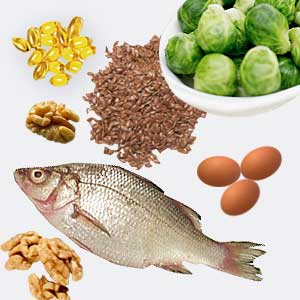
Jose Russo, director of the Breast Cancer Research Laboratory at Fox Chase Centre, Florida, told the conference that the combination of fish oil and tamoxifen reduced the expression of genes linked to tumour growth and spreading.
He collaborated with a team led by Dr Andrea Manni, from Pennsylvania State University, to induce mammary tumours in rats.
They divided the animals into four groups and fed the groups either a 17 per cent fish oil diet, with or without tamoxifen, or a 20 per cent corn oil diet, with or without tamoxifen, for eight weeks.
When they analysed gene expression patterns in the tumours, it was found that omega-3 fatty acids, found in fish oil, produced a greater expression of genes related to cellular specialisation – sign of lower cancer severity – compared to corn oil.
"If a tumour was being treated with tamoxifen, the addition of an omega-3 fatty acid diet seemed to make the tumour, at least at the molecular level, more benign and less aggressive and responsive to tamoxifen," says Russo.
Delegates also heard from Dr Tong Chen, assistant professor, division of medical oncology, department of internal medicine at The Ohio State University, who reported that freeze-dried strawberries could help in the prevention of oesophageal cancer.
Based on results of a previous study, in which she found that freeze-dried strawberries significantly inhibited tumour development in the oesophagus of rats, she recruited participants with oesophageal precancerous lesions who were at high risk for oesophageal cancer.
They each ate 60 grams of freeze-dried strawberries daily for six months and biopsy specimens showed that 29 out of 36 participants experienced a decrease in histological grade of the precancerous lesions during the study.
* Vegans are increased risk of developing blood clots and hardening of the arteries because they tend to have elevated blood levels of homocysteine and decreased levels of HDL, the "good" form of cholesterol, reearchers claim.
A review of dozens of articles published on the biochemistry of vegetarianism during the past 30 years said there was a strong scientific basis for vegetarians and vegans to increase their dietary omega-3 fatty acids and vitamin B12 to help mitigate the risks.
The article appears in ACS’ bi-weekly Journal of Agricultural and Food Chemistry
Leave a Reply